Invisalign vs. Traditional Braces: A Complete Comparison
A straight, well-aligned smile is about more than aesthetics. Properly aligned teeth are easier to clean, reduce your risk of gum disease, and can even prevent jaw pain caused by an uneven bite. If you are considering orthodontic treatment, you have likely wondered whether Invisalign or traditional braces is the better option. Here is an honest comparison to help you decide.
How Invisalign Works
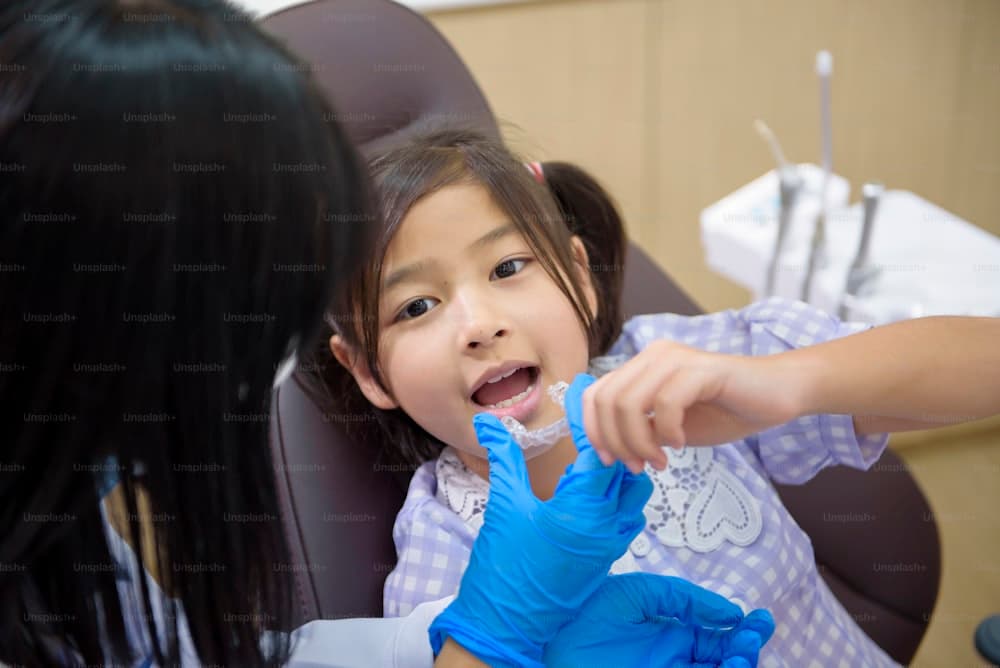
Invisalign uses a series of custom-made, clear plastic aligners to gradually shift your teeth into their ideal positions. You receive a new set of aligners every one to two weeks, with each set making slight adjustments. The aligners are virtually invisible when worn and can be removed for eating, drinking, brushing, and flossing.
Treatment typically takes 6 to 18 months for most cases, though complex issues may take longer.
How Traditional Braces Work
Traditional braces use metal or ceramic brackets bonded to each tooth, connected by a wire that your orthodontist tightens at regular intervals. This continuous pressure gradually moves teeth into alignment. Modern braces are smaller and more comfortable than the braces of decades past, and ceramic brackets offer a more discreet appearance.
Treatment time ranges from 12 to 36 months depending on the severity of the case.
Appearance
This is where Invisalign has a clear advantage. The transparent aligners are nearly undetectable, making them a popular choice for adults and teens who are self-conscious about wearing braces. Traditional metal braces are more noticeable, though ceramic braces with tooth-colored brackets offer a less visible alternative.
Comfort
Invisalign aligners are made of smooth plastic, so there are no brackets or wires to irritate your cheeks and gums. There is still some pressure and mild discomfort when you switch to a new set of aligners, but most patients find it very manageable. Traditional braces can cause soreness after adjustments and may irritate soft tissues, especially in the first few weeks.
Eating and Oral Hygiene
With Invisalign, you remove the aligners before every meal, so there are no food restrictions. Brushing and flossing continue as normal. With braces, you need to avoid hard, sticky, and crunchy foods that could damage the brackets or wires. Cleaning around brackets also requires more effort — interdental brushes and floss threaders become daily essentials.
Effectiveness
Traditional braces can address virtually any orthodontic issue, including severe crowding, significant bite misalignment, and rotated teeth. Invisalign has improved dramatically and now handles most mild to moderate cases effectively, but very complex cases may still require traditional braces for the best results.
Treatment Compliance
Invisalign requires discipline. The aligners must be worn 20 to 22 hours per day to stay on track. Because they are removable, the temptation to leave them out can lead to longer treatment times if you are not consistent. Braces, on the other hand, are always working because they are fixed in place — there is no compliance factor to worry about.
Cost Comparison
Invisalign typically costs between $3,500 and $7,000, while traditional braces range from $3,000 to $6,000. The costs are comparable for many cases, and most dental insurance plans that cover orthodontics apply the same benefits to both options. We also offer flexible payment plans to make treatment accessible.
Which Option Is Right for You?
The best choice depends on your specific dental needs, lifestyle, and personal preferences. Here is a quick guide:
-
Invisalign may be best if you have mild to moderate alignment issues, want a discreet treatment option, and are confident you can wear the aligners consistently
-
Traditional braces may be best if you have complex orthodontic issues, prefer a hands-off approach to compliance, or want the most versatile treatment option
Take the Next Step
The only way to know for certain which option will work best for your smile is to schedule a consultation. Dr. Chen will evaluate your teeth, discuss your goals, and recommend the most effective treatment path. Contact us today to get started on the journey to your best smile.
Tags:
About Dr. Alex Chen
Experienced professional sharing practical insights and best practices to help customers make informed decisions.
Learn More About Our TeamRelated Services & Conditions
Services